




Introduction
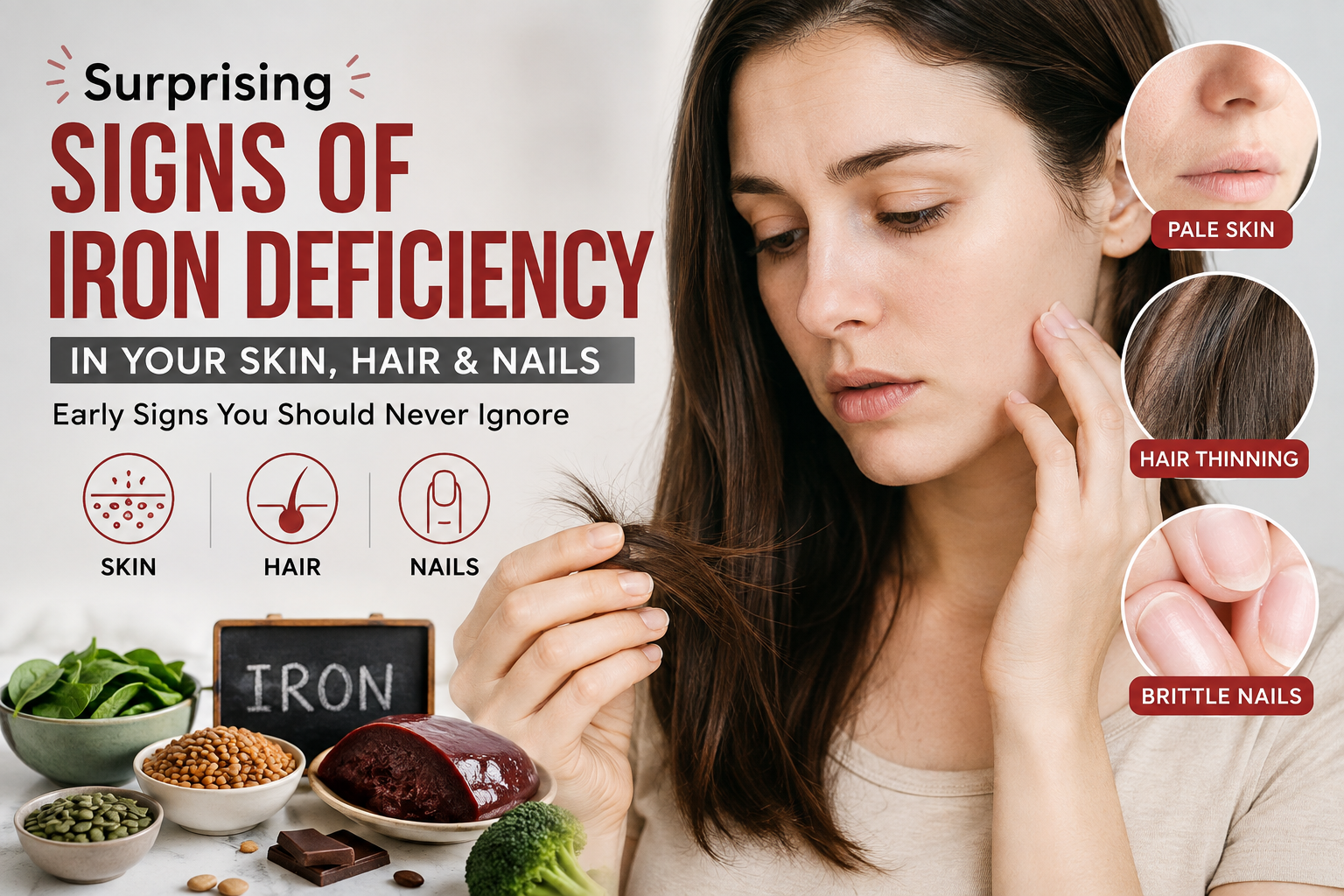
Iron deficiency is one of the most common nutritional deficiencies worldwide, affecting millions of people every year. While most people associate low iron levels with fatigue, weakness, or dizziness, many don’t realize that the earliest warning signs often appear on your skin, hair, and nails.
Your body requires iron to produce hemoglobin, the protein in red blood cells that transports oxygen throughout the body. When iron levels fall, your organs and tissues receive less oxygen, leading to several visible changes that many people mistakenly attribute to stress, aging, or poor skincare.
If you’ve noticed unusual hair loss, pale skin, brittle nails, or persistent dryness, your body may be trying to tell you something important.
In this comprehensive guide, we’ll explore the surprising signs of iron deficiency affecting your skin, hair, and nails, explain why they occur, discuss treatment options, and provide practical recommendations to restore healthy iron levels.
What is Iron Deficiency?
Iron deficiency occurs when your body doesn’t have enough iron to produce adequate hemoglobin. As a result, your blood carries less oxygen, affecting every cell in your body.
If untreated, iron deficiency can eventually lead to iron-deficiency anemia, a condition that can significantly impact overall health.
Common causes include:
- Poor dietary intake
- Heavy menstrual bleeding
- Pregnancy
- Digestive disorders
- Internal bleeding
- Frequent blood donation
- Certain medications
Although fatigue remains the best-known symptom, skin, hair, and nail changes often develop long before severe anemia appears.
Surprising Signs of Iron Deficiency in Your Skin
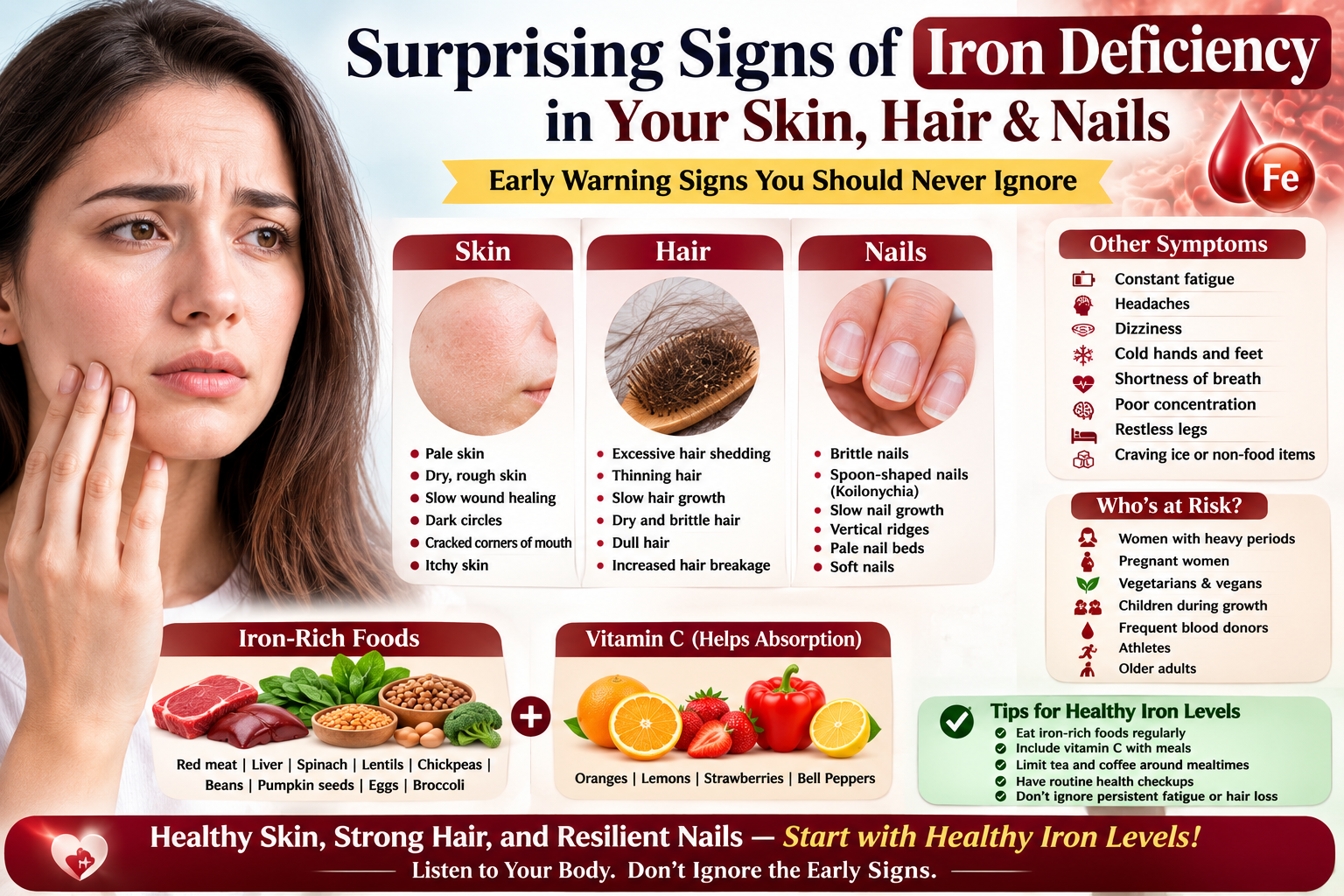
1. Pale Skin
One of the earliest indicators is noticeably pale skin.
When hemoglobin levels decrease, less oxygen-rich blood reaches the skin, causing it to lose its natural healthy glow.
You may notice paleness on:
- Face
- Lips
- Eyelids
- Hands
- Fingernails
People with darker skin tones may observe grayish or dull skin rather than obvious paleness.
2. Dry, Rough Skin
Iron plays an important role in skin repair and regeneration.
Low iron levels may result in:
- Dry patches
- Rough texture
- Flaky skin
- Increased sensitivity
Many people spend money on moisturizers without realizing the problem starts internally.
3. Slow Wound Healing
Cuts and scratches taking unusually long to heal can indicate poor oxygen delivery.
Iron deficiency slows:
- Collagen production
- Tissue repair
- Immune response
This delays the body’s natural healing process.
4. Dark Circles Under the Eyes
Although dark circles have many causes, iron deficiency can contribute by reducing oxygen circulation.
Combined with fatigue, they often make the face appear tired and unhealthy.
5. Cracked Corners of the Mouth
Painful cracks at the corners of the lips (Angular Cheilitis) may develop due to iron deficiency.
Symptoms include:
- Redness
- Pain
- Cracking
- Bleeding
- Burning sensation
6. Itchy Skin
Some people experience unexplained itching because oxygen-starved skin becomes dry and irritated.
The itch often worsens after bathing or during winter.
Surprising Signs of Iron Deficiency in Your Hair
Healthy hair requires oxygen and nutrients delivered through healthy blood circulation.
Without sufficient iron, hair follicles cannot function properly.
1. Excessive Hair Shedding
Finding large amounts of hair on:
- Pillows
- Shower drains
- Hairbrushes
may indicate iron deficiency.
Hair follicles enter the resting phase too early, resulting in increased shedding.
2. Thinning Hair
Rather than bald patches, iron deficiency usually causes overall thinning.
Your ponytail may become noticeably smaller over time.
3. Slow Hair Growth
Hair grows more slowly because follicles receive insufficient oxygen and nutrients.
Even after regular trims, your hair may seem “stuck” at the same length.
4. Dry and Brittle Hair
Low iron affects hair structure, causing:
- Split ends
- Dryness
- Frizziness
- Breakage
5. Dull Hair
Healthy hair reflects light naturally.
Iron deficiency often causes hair to lose its shine and appear lifeless.
6. Increased Hair Breakage
Weak hair shafts snap easily during:
- Brushing
- Styling
- Washing
This differs from normal hair shedding.
Surprising Signs of Iron Deficiency in Your Nails
Nails are among the best indicators of nutritional health.
Changes develop gradually and often go unnoticed.
1. Brittle Nails
Iron deficiency weakens nail structure, making nails:
- Thin
- Fragile
- Easy to split
2. Spoon-Shaped Nails (Koilonychia)
One of the classic signs of long-term iron deficiency.
Instead of curving outward, nails develop a shallow depression in the center.
In severe cases, they may hold small drops of water.
3. Slow Nail Growth
Nails grow slowly because reduced oxygen limits healthy cell production.
4. Vertical Ridges
Although ridges may occur with aging, severe or sudden ridges can indicate nutritional deficiencies, including iron deficiency.
5. Pale Nail Beds
Healthy nail beds appear pink.
Iron deficiency causes them to look pale or almost white.
6. Soft Nails
Soft nails bend instead of remaining firm.
This often occurs alongside brittleness.
Other Symptoms That Often Accompany Iron Deficiency
Skin, hair, and nail symptoms usually occur alongside other signs, including:
- Constant fatigue
- Weakness
- Headaches
- Dizziness
- Cold hands and feet
- Shortness of breath
- Poor concentration
- Rapid heartbeat
- Restless legs syndrome
- Craving ice or non-food items (Pica)
Who Is Most at Risk?
Iron deficiency is more common among:
- Women with heavy menstrual periods
- Pregnant women
- Vegetarians and vegans
- Children during rapid growth
- Frequent blood donors
- Athletes
- Older adults
- People with digestive disorders
- Individuals recovering from surgery
How Is Iron Deficiency Diagnosed?
A healthcare provider may recommend blood tests such as:
- Complete Blood Count (CBC)
- Serum Ferritin
- Serum Iron
- Total Iron Binding Capacity (TIBC)
- Transferrin Saturation
These tests help determine whether low iron or another condition is responsible for your symptoms.
Foods Rich in Iron
Increasing dietary iron is one of the best long-term solutions.
Excellent sources include:
Animal Sources (Heme Iron)
- Lean beef
- Chicken liver
- Turkey
- Fish
- Sardines
- Eggs
Plant Sources (Non-Heme Iron)
- Spinach
- Lentils
- Chickpeas
- Kidney beans
- Pumpkin seeds
- Tofu
- Quinoa
- Broccoli
Pair plant-based iron foods with vitamin C-rich foods like oranges, lemons, strawberries, or bell peppers to improve absorption.
Foods That Reduce Iron Absorption
Certain foods can interfere with iron absorption if consumed with iron-rich meals:
- Tea
- Coffee
- Excess dairy
- Calcium supplements
- High-fiber cereals
Try consuming these at least one to two hours apart from iron-rich meals.
Treatment Options
Treatment depends on the underlying cause.
Your healthcare provider may recommend:
- Iron supplements
- Dietary improvements
- Treating internal bleeding
- Managing heavy menstrual bleeding
- Treating digestive disorders
Never take iron supplements without medical advice, as excessive iron can be harmful.
Prevention Tips
Reduce your risk of iron deficiency by following these healthy habits:
- Eat iron-rich foods regularly.
- Include vitamin C with meals.
- Limit tea and coffee around mealtimes.
- Have routine health checkups if you’re at risk.
- Address heavy menstrual bleeding with your healthcare provider.
- Don’t ignore persistent fatigue or unusual hair loss.
- Follow your doctor’s guidance before taking supplements.
Final Thoughts
Iron deficiency is often called the “hidden deficiency” because its earliest signs can be subtle and easily overlooked. Changes in your skin, hair, and nails may appear months before severe anemia develops, giving you an opportunity to identify the problem early.
If you’ve noticed persistent hair shedding, pale skin, brittle nails, or unexplained fatigue, it’s worth discussing these symptoms with a healthcare professional. Early diagnosis and proper treatment can restore healthy iron levels, improve your appearance, and support your overall well-being.
Remember, healthy skin, strong hair, and resilient nails are not just cosmetic—they can also reflect your internal health. Paying attention to these visible clues may help prevent more serious complications in the future.
Frequently Asked Questions (FAQs)
1. Can iron deficiency cause hair loss?
Yes. Iron deficiency is one of the most common nutritional causes of diffuse hair loss and excessive shedding. Hair often improves after iron levels are corrected, though it may take several months.
2. Does iron deficiency make nails brittle?
Yes. Brittle, thin, soft, or spoon-shaped nails are classic signs of iron deficiency, especially when the condition has been present for a long time.
3. Can low iron affect the skin?
Absolutely. Pale skin, dryness, poor wound healing, cracked lips, and dull complexion can all be associated with iron deficiency.
4. How long does it take to recover from iron deficiency?
Recovery varies depending on the severity and the underlying cause. Many people notice improved energy within a few weeks of treatment, but replenishing iron stores can take several months.
5. Which foods are highest in iron?
Red meat, liver, seafood, lentils, beans, spinach, pumpkin seeds, tofu, and fortified cereals are among the richest dietary sources of iron.
6. Should I take iron supplements without a blood test?
No. Iron supplements should only be taken under the guidance of a healthcare professional after confirming that iron deficiency is present, as excess iron can be harmful.
Expert Recommendations
To maintain healthy iron levels and support your skin, hair, and nails:
- Eat a balanced diet that includes iron-rich foods and vitamin C to enhance absorption.
- If you experience ongoing fatigue, hair loss, pale skin, or brittle nails, consult a healthcare provider for appropriate testing.
- Avoid self-medicating with iron supplements unless advised by a medical professional.
- Schedule regular health checkups if you are at higher risk, such as during pregnancy, heavy menstrual periods, or with digestive conditions.
- Remember that visible changes in your skin, hair, and nails can be valuable clues to your overall health—addressing them early can help prevent more serious iron deficiency and improve your quality of life.