





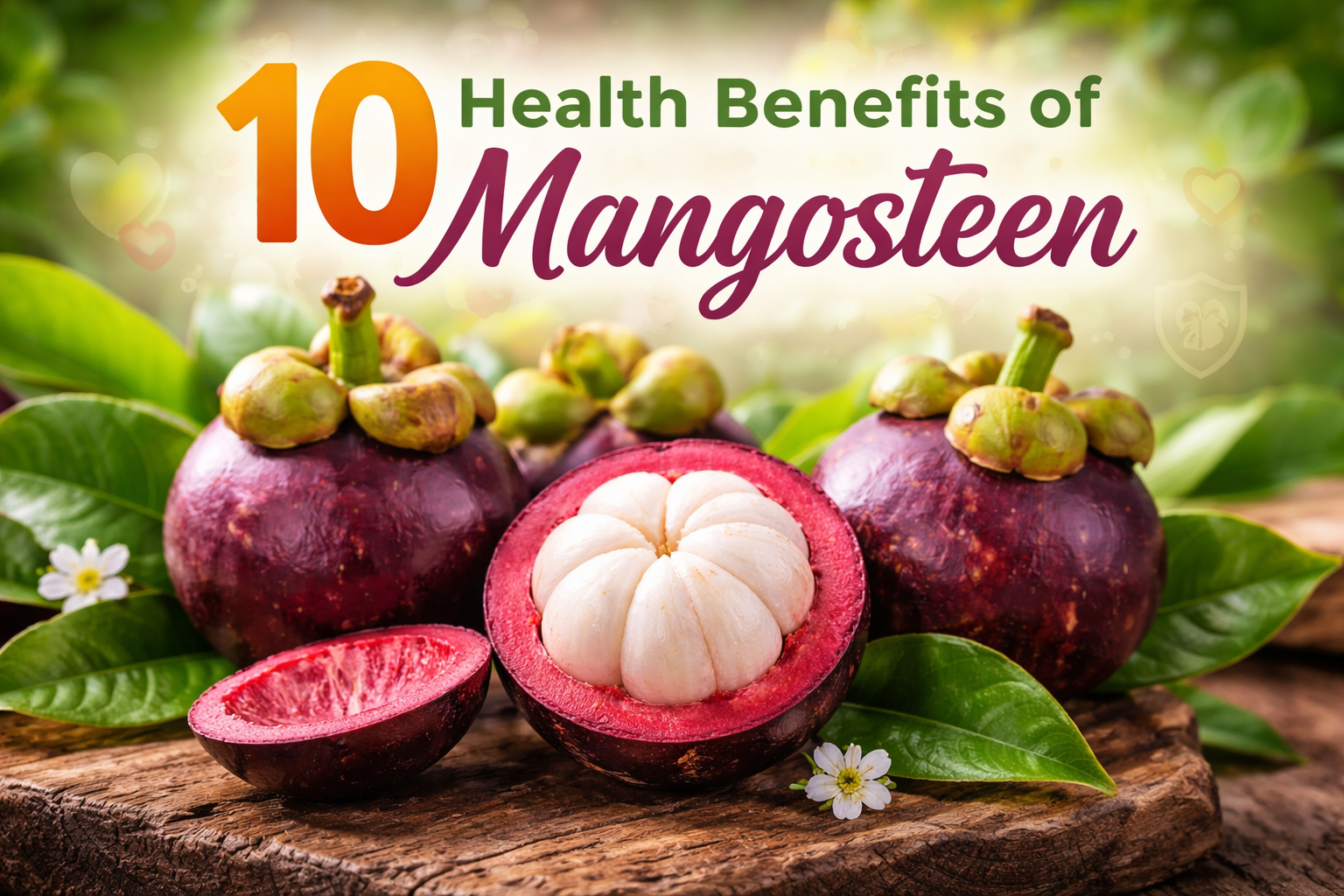
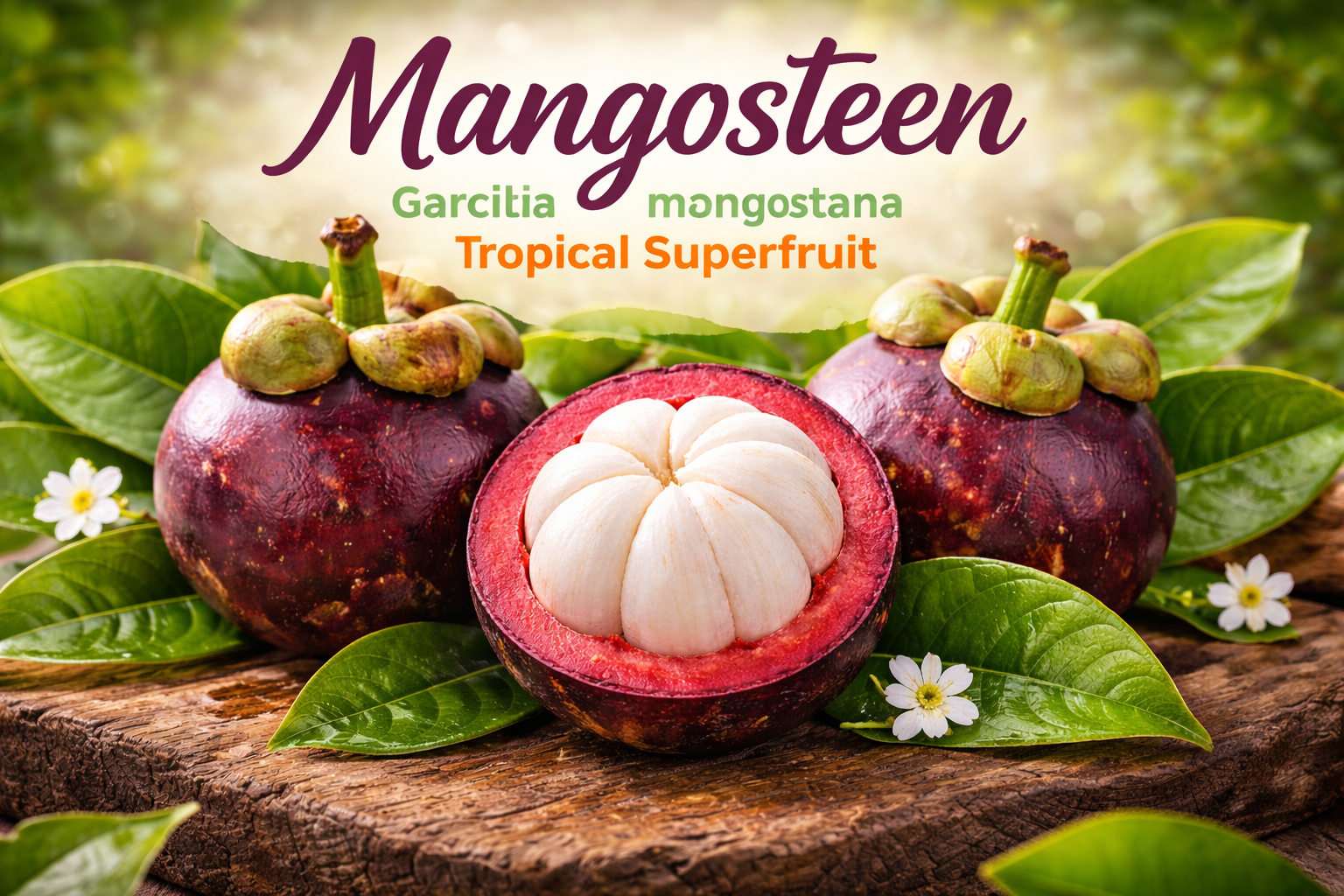
Mangosteen (Garcinia mangostana) is a tropical fruit native to Southeast Asia and is often called the “queen of fruits” because of its delicious taste and impressive nutritional profile. It has a thick, deep purple rind and soft, juicy white segments inside, offering a sweet, slightly tangy flavor that is both refreshing and satisfying.
For centuries, mangosteen has been used in traditional medicine across Thailand, Indonesia, Malaysia, and the Philippines. In recent years, modern research has shown growing interest in this fruit because of its rich concentration of xanthones—powerful natural antioxidants believed to support immunity, fight inflammation, and protect against chronic diseases.
Mangosteen is consumed fresh, as juice, powder, tea, and dietary supplements. Beyond its exotic appeal, this fruit offers numerous science-backed health benefits.
Let’s explore the top 10 health benefits of mangosteen and why you should consider adding it to your daily diet.
1. Rich in Powerful Antioxidants
One of the most remarkable benefits of mangosteen is its high antioxidant content. It contains unique compounds called xanthones, which are known for their strong antioxidant and anti-inflammatory effects.
Antioxidants help neutralize free radicals—unstable molecules that damage cells and contribute to aging, cancer, heart disease, and other chronic illnesses. By fighting oxidative stress, mangosteen supports cellular health, slows premature aging, and enhances overall wellness.
Mangosteen also contains vitamin C, manganese, and other phytonutrients that further strengthen the body’s natural defense system.
2. Boosts Immune System Function
Mangosteen is rich in vitamin C, a crucial nutrient that strengthens immune response and helps the body fight infections. Vitamin C supports the production of white blood cells, which play a key role in defending the body against viruses and bacteria.
The antimicrobial properties of xanthones may also help combat harmful microorganisms. Regular consumption of mangosteen may reduce the frequency of colds, flu, and other common infections while promoting faster recovery.
3. Reduces Inflammation Naturally
Chronic inflammation is a major contributor to conditions such as arthritis, heart disease, diabetes, and autoimmune disorders. Mangosteen’s xanthones exhibit potent anti-inflammatory properties, which can help reduce swelling, pain, and tissue damage.
Studies suggest that mangosteen compounds may inhibit inflammatory enzymes and regulate immune responses. This makes the fruit potentially beneficial for individuals suffering from joint pain, muscle soreness, skin conditions, and inflammatory bowel disorders.
4. Supports Heart Health
Heart disease remains one of the leading causes of death worldwide. Mangosteen may help protect cardiovascular health through several mechanisms:
- Reducing oxidative stress
- Improving blood vessel function
- Lowering LDL (“bad”) cholesterol
- Supporting healthy blood pressure
The fiber and antioxidants in mangosteen assist in maintaining healthy lipid levels, preventing plaque buildup in arteries, and promoting proper circulation. These effects collectively reduce the risk of heart attack, stroke, and hypertension.
5. Aids Digestion and Gut Health
Mangosteen is a good source of dietary fiber, which plays a vital role in digestive health. Fiber helps regulate bowel movements, prevent constipation, and promote the growth of beneficial gut bacteria.
In traditional medicine, mangosteen has been used to treat diarrhea, stomach infections, and ulcers. Its antimicrobial and anti-inflammatory properties may support intestinal balance and soothe digestive discomfort.
A healthy gut improves nutrient absorption, immunity, metabolism, and even mental well-being.
6. Supports Healthy, Glowing Skin
Mangosteen is widely used in skincare products due to its antibacterial, antifungal, and anti-inflammatory properties. It may help reduce acne, eczema, and other skin irritations.
The antioxidants in mangosteen protect skin cells from environmental damage caused by UV rays and pollution, slowing the appearance of wrinkles and fine lines. Vitamin C further supports collagen production, improving skin elasticity and brightness.
Regular intake may promote clearer, smoother, and more youthful-looking skin.
7. May Help Control Blood Sugar Levels
Research suggests that mangosteen may assist in blood sugar regulation, making it beneficial for people with diabetes or insulin resistance.
Mangosteen compounds may improve insulin sensitivity and reduce inflammation linked to metabolic disorders. The fiber content also helps slow glucose absorption, preventing blood sugar spikes after meals.
While mangosteen should not replace medical treatment, it can be a supportive addition to a balanced, diabetes-friendly diet.
8. Promotes Brain Health and Cognitive Function
Oxidative stress and inflammation are closely associated with cognitive decline and neurodegenerative diseases such as Alzheimer’s and Parkinson’s.
Mangosteen’s antioxidants may help protect brain cells, reduce neuronal inflammation, and improve circulation to the brain. Some research indicates that xanthones may support neurotransmitter balance and memory function.
Including antioxidant-rich fruits like mangosteen may support mental clarity, focus, and long-term brain health.
9. Aids in Weight Management
Mangosteen can support healthy weight management due to its low calorie content, fiber, and bioactive compounds.
Fiber increases satiety, helping control appetite and reduce overeating. Some studies suggest mangosteen may influence fat metabolism and reduce inflammation associated with obesity.
Additionally, its natural sweetness can satisfy sugar cravings, making it a healthier alternative to processed desserts.
10. Helps Relieve Menstrual Discomfort
Mangosteen has traditionally been used to alleviate menstrual cramps and discomfort. Its anti-inflammatory and analgesic properties may help reduce pelvic pain, bloating, and fatigue.
By supporting hormonal balance and reducing muscle inflammation, mangosteen may contribute to a more comfortable menstrual cycle.
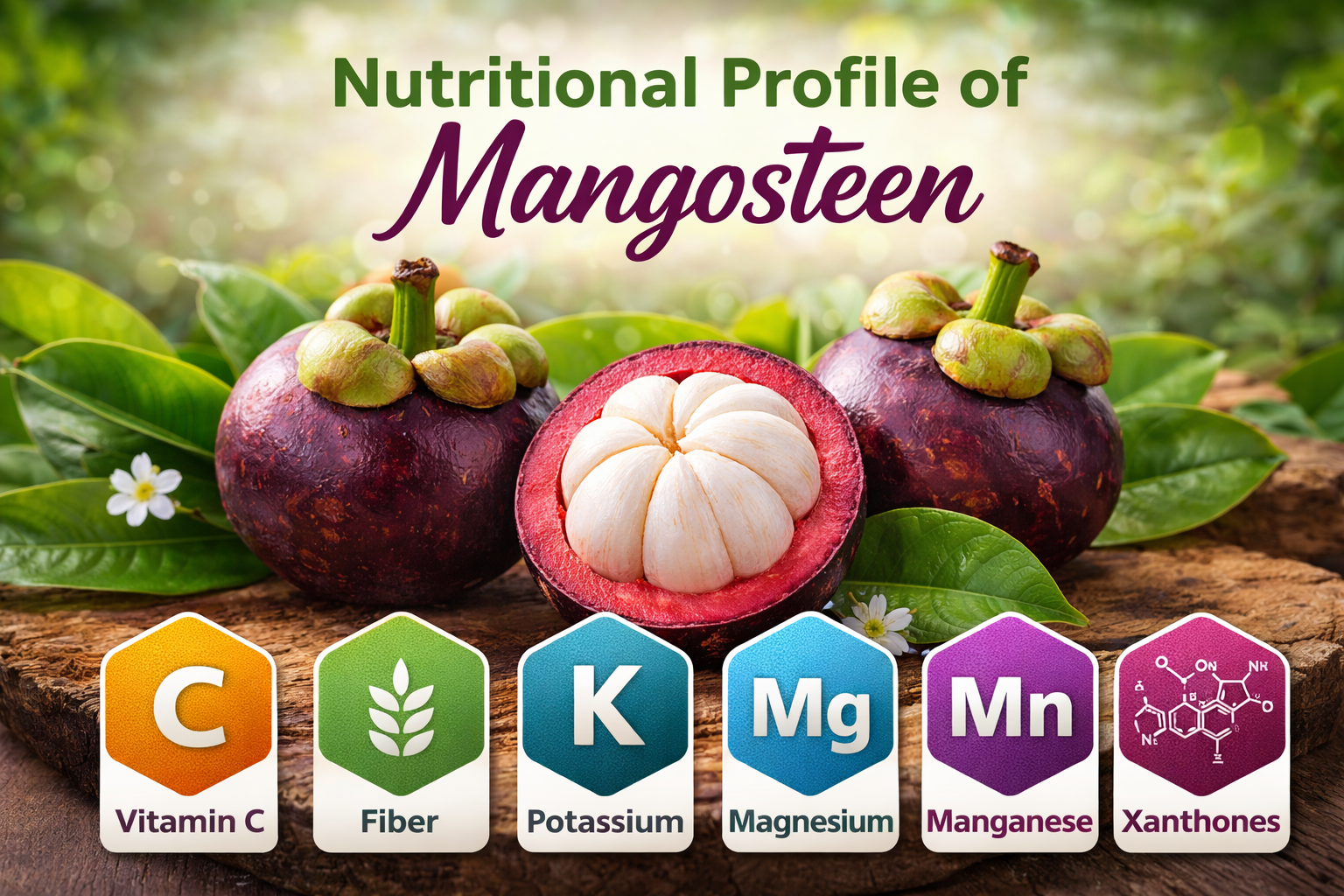
Nutritional Profile of Mangosteen
Mangosteen is not only medicinal but also nutritionally valuable. It provides:
- Vitamin C
- Vitamin B-complex
- Fiber
- Potassium
- Magnesium
- Manganese
- Powerful phytonutrients (xanthones)
These nutrients support immunity, metabolism, heart health, digestion, and cellular repair.
How to Consume Mangosteen
Mangosteen can be enjoyed in several ways:
- Fresh fruit
- Juices and smoothies
- Herbal teas
- Capsules and supplements
- Dried fruit
- Skincare extracts
For maximum benefit, consuming fresh mangosteen or pure juice without added sugar is recommended.
Precautions and Side Effects
Mangosteen is generally safe when eaten in moderation. However, excessive intake of supplements may interfere with blood clotting or medications. Pregnant or breastfeeding women and people with chronic conditions should consult a healthcare professional before using mangosteen supplements.
Conclusion
Mangosteen is much more than an exotic tropical delight. It is a nutrient-dense superfruit packed with antioxidants, fiber, and medicinal compounds that support immunity, heart health, digestion, skin, brain function, and overall vitality.
By incorporating mangosteen into your diet, you not only enjoy its delicious flavor but also take a natural step toward disease prevention and long-term wellness. Whether consumed fresh, as juice, or in supplement form, mangosteen truly earns its title as the “queen of fruits.”
#mangosteen #mangosteenbenefits #superfruit #tropicalfruit #healthyliving #superfoods #antioxidants #immunityboost #naturalhealth #nutrition #healthyfood #wellness #skincarefoods #hearthealth #guthealth #weightlossfoods