





Health is the cornerstone of a happy and fulfilling life. Without proper physical and mental well-being, daily tasks become challenging, productivity drops, and quality of life diminishes. While modern medicine has made significant advancements, maintaining good health requires a proactive approach through lifestyle choices, nutrition, exercise, and mental care. This guide explores comprehensive strategies for achieving optimal health.
1. Understanding Health
Health is more than just the absence of disease. The World Health Organization (WHO) defines health as “a state of complete physical, mental, and social well-being.” It encompasses:
- Physical health: Strength, endurance, immunity, and bodily functions.
- Mental health: Emotional stability, stress management, and cognitive function.
- Social health: Strong relationships, community engagement, and communication skills.
Balanced attention to all three aspects is essential for long-term well-being.
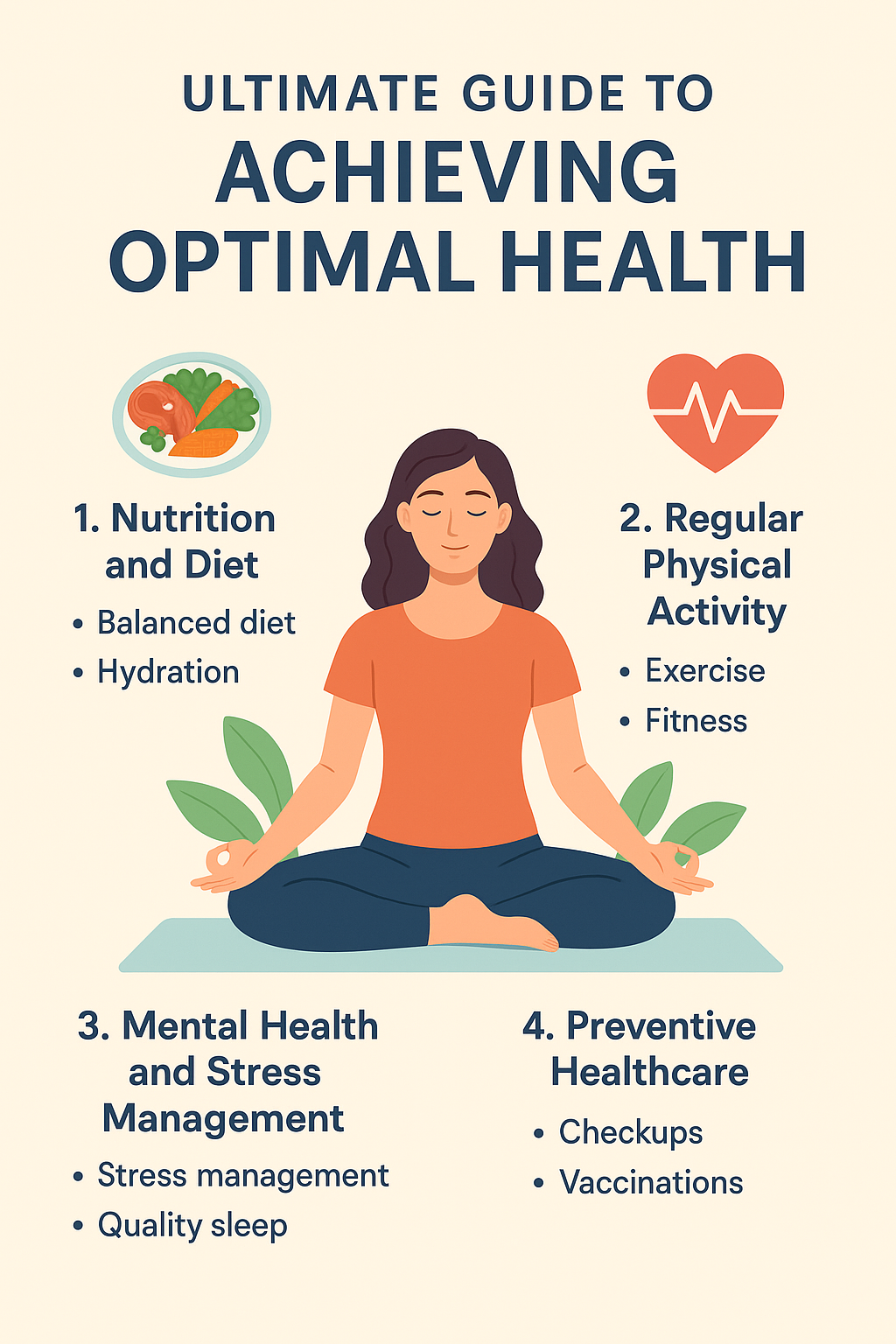
2. Nutrition and Diet for Better Health
Nutrition plays a pivotal role in maintaining overall health. A balanced diet provides the body with essential nutrients for energy, immunity, and repair.
a) Key Components of a Healthy Diet
- Proteins: Vital for muscle growth, tissue repair, and immunity. Sources include lean meats, fish, eggs, legumes, and nuts.
- Carbohydrates: Primary energy source. Focus on complex carbs like whole grains, vegetables, and fruits.
- Fats: Necessary for hormone production and brain health. Prefer healthy fats from olive oil, avocado, and fatty fish.
- Vitamins and Minerals: Support metabolism, immunity, and bone health. Consume a variety of colorful fruits and vegetables.
- Fiber: Aids digestion and prevents chronic diseases. Found in vegetables, fruits, legumes, and whole grains.
b) Hydration
Water is essential for all bodily functions, including digestion, circulation, and temperature regulation. Adults should aim for at least 2–3 liters daily, adjusting for activity levels and climate.
c) Avoid Processed Foods
Highly processed foods often contain excess sugar, salt, and unhealthy fats, contributing to obesity, diabetes, and heart disease. Opt for natural, minimally processed foods whenever possible.
3. Regular Physical Activity
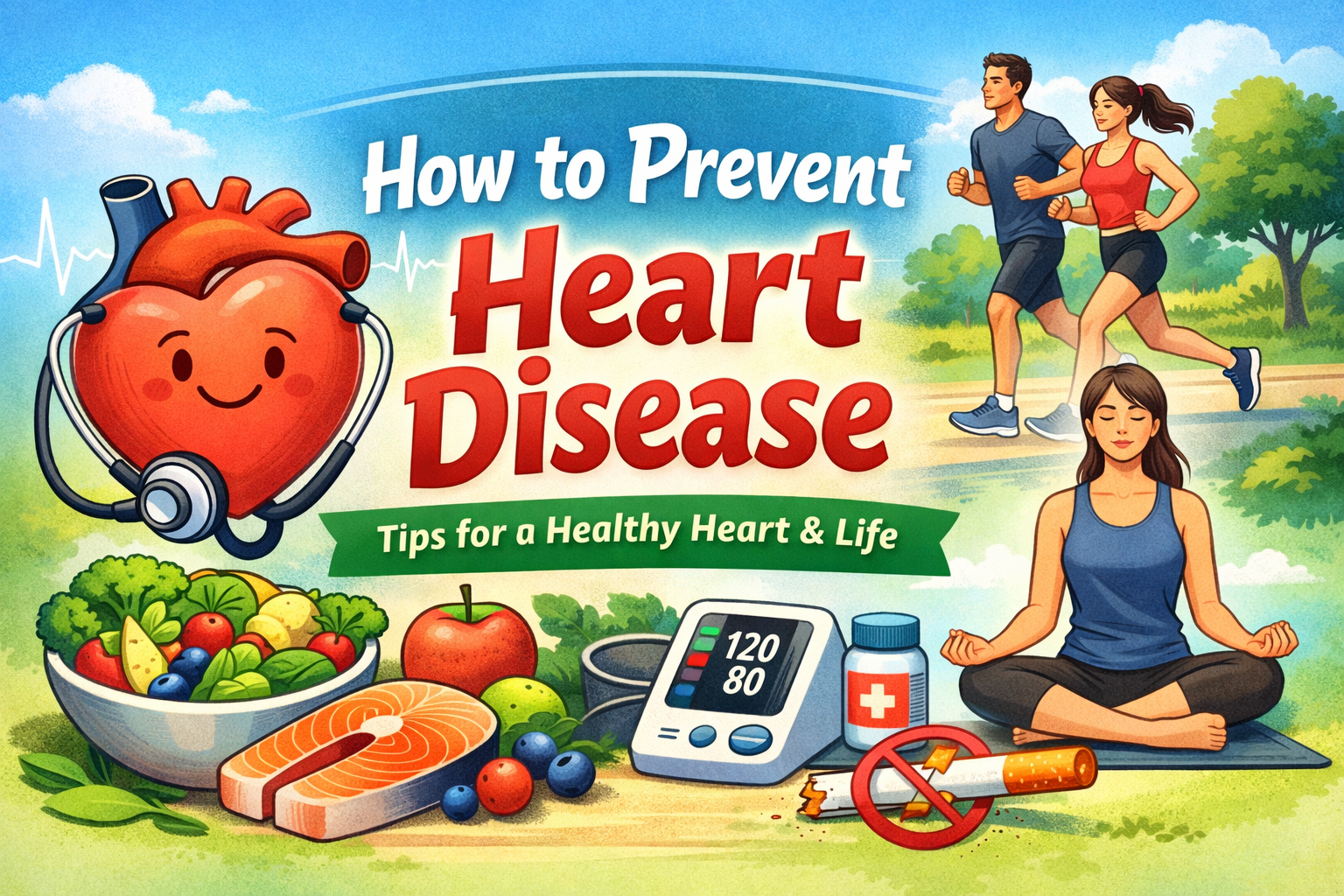
Exercise is a cornerstone of good health. It strengthens the heart, muscles, bones, and immune system while reducing stress and improving mental health.
a) Types of Exercise
- Cardiovascular Exercise: Running, cycling, swimming, or brisk walking improves heart health and endurance.
- Strength Training: Weight lifting or bodyweight exercises build muscle mass and bone density.
- Flexibility and Balance: Yoga, Pilates, and stretching enhance mobility and reduce injury risk.
b) Exercise Recommendations
Experts recommend at least 150 minutes of moderate aerobic activity or 75 minutes of vigorous activity weekly, combined with two days of strength training.
4. Mental Health and Stress Management
Mental health is equally important as physical health. Chronic stress and negative emotions can trigger physical ailments, including heart disease, digestive issues, and weakened immunity.
a) Stress Management Techniques
- Mindfulness and Meditation: Reduce anxiety and improve focus.
- Deep Breathing Exercises: Activate the parasympathetic nervous system for relaxation.
- Hobbies and Recreation: Engage in activities that bring joy and creativity.
- Professional Support: Seek counseling or therapy when needed.
b) Quality Sleep
Sleep is vital for cognitive function, metabolism, and overall health. Adults need 7–9 hours of quality sleep per night. Tips include:
- Maintain a regular sleep schedule.
- Limit screen time before bed.
- Create a comfortable sleep environment.
5. Preventive Healthcare
Preventive measures can drastically reduce the risk of chronic diseases.
- Regular Checkups: Monitor blood pressure, cholesterol, blood sugar, and other vital parameters.
- Vaccinations: Protect against preventable diseases.
- Screenings: Early detection of cancers, heart disease, and diabetes increases treatment success.
6. Healthy Habits for Long-Term Well-Being
Adopting consistent healthy habits can make a lifetime difference:
- Avoid Smoking and Limit Alcohol: These substances contribute to multiple chronic diseases.
- Maintain a Healthy Weight: Reduces strain on organs and lowers disease risk.
- Stay Socially Connected: Healthy relationships promote mental and emotional health.
- Limit Sedentary Behavior: Incorporate movement throughout your day, especially if you work at a desk.
7. Integrating Technology for Health
Modern technology can support a healthier lifestyle:
- Fitness Apps: Track steps, workouts, and nutrition.
- Telemedicine: Access medical consultations remotely.
- Wearables: Monitor heart rate, sleep, and activity levels.
However, technology should complement, not replace, natural habits and human interaction.
Conclusion
Optimal health is a lifelong journey, combining physical fitness, mental well-being, balanced nutrition, and preventive care. While achieving perfect health may be challenging, small consistent changes—like eating more vegetables, exercising regularly, and managing stress—can yield significant benefits. By prioritizing both mind and body, you can improve your quality of life, boost energy, and prevent chronic diseases.