





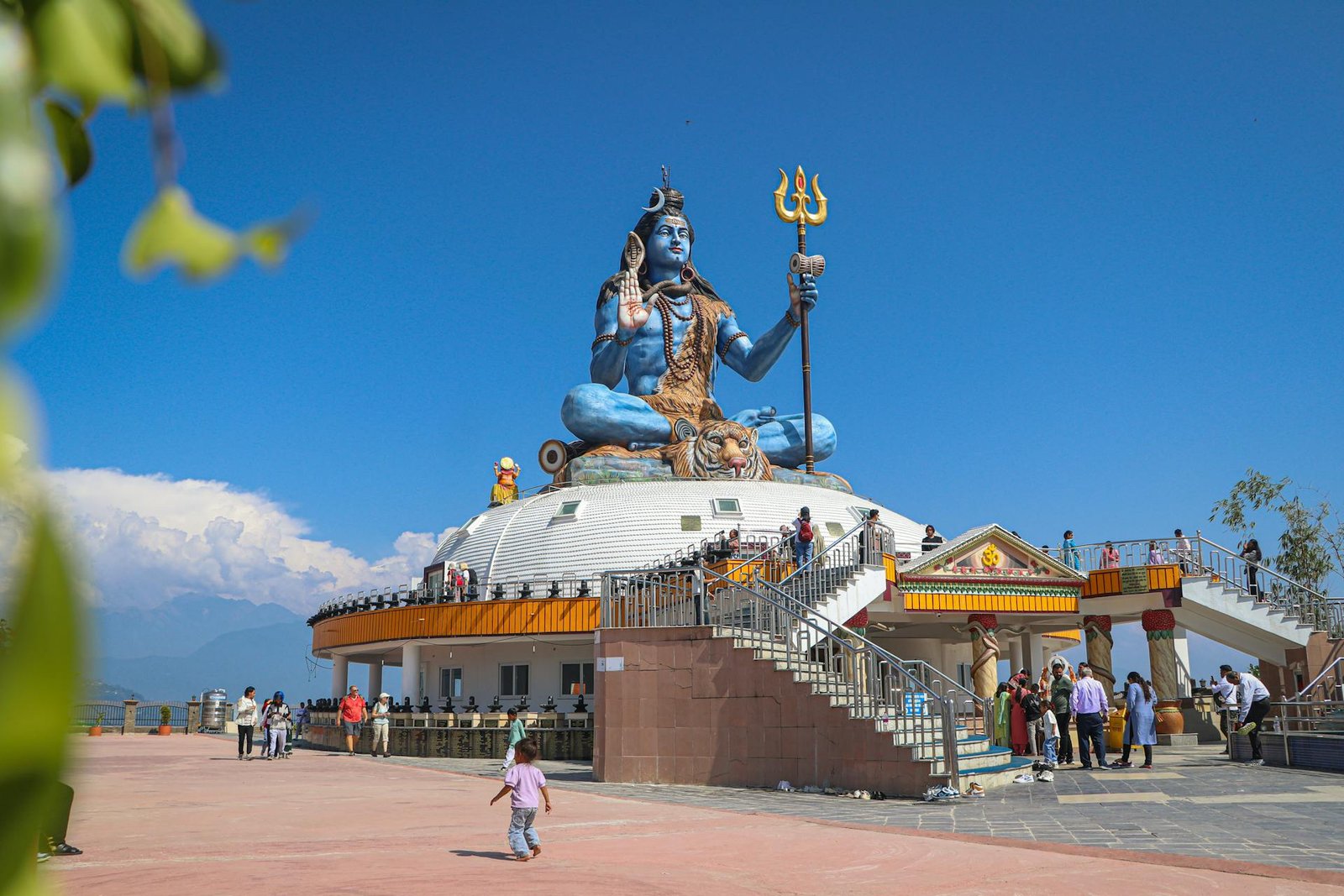
For a devotee of Lord Shiva, the Jyotirlingas hold a special place in the heart. They are more than historic temples or ancient pilgrimage stops. They are living symbols of Shiva’s presence, believed to be manifestations of his infinite cosmic light. Across India, twelve such Jyotirlingas exist, each tied to legends, miracles, and moments that shaped the spiritual landscape of Hindu faith.
Visiting even one Jyotirlinga is considered deeply purifying, but choosing where to begin can be overwhelming. The stories are vast, the spiritual energy varies from place to place, and every region adds its own cultural flavor. To help you plan your journey, here is a detailed look at five Jyotirlingas that offer powerful experiences for seekers, travelers, and Shiva bhakts alike. These five temples are known not just for their mythological importance, but also for their unique geography, rituals, and the sense of inner calm they leave behind.
1. Somnath Jyotirlinga, Gujarat
Somnath is often spoken of as the first among the twelve Jyotirlingas, and its history is remarkable. Ancient scriptures, folklore, and cultural texts all describe Somnath as a shrine that has risen again and again despite invasions, natural calamities, and centuries of turmoil. The story of its destruction and reconstruction is not just a tale of conflict. It is a testament to the unbreakable devotion of countless generations of worshippers who refused to let the sacred light of Shiva fade.
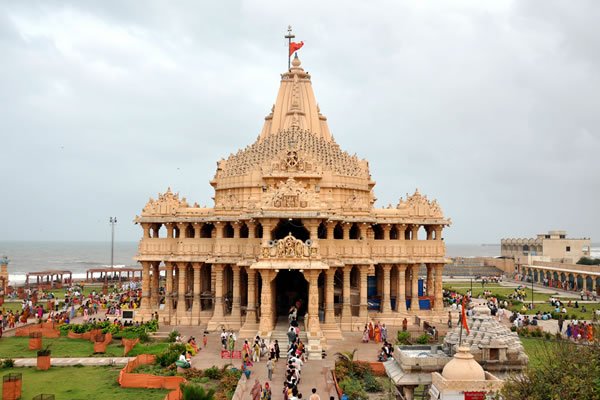
The temple stands on the western coast of Gujarat, right beside the vast Arabian Sea. As soon as you arrive, the ocean breeze and the rhythmic sound of waves create a peaceful setting. The architecture of the present temple, built in the Chalukya style, is both elegant and grand. The shikhara rises sharply toward the sky, as if reaching for the divine light it represents.
One of the most awe-inspiring moments at Somnath is during sunset. When the sky turns orange and the waves crash against the rocks, the temple seems to glow with its own spiritual energy. Visitors often say they feel a sense of calm the moment they step inside. Priests perform rituals with discipline and devotion, and the chants echo beautifully inside the sanctum.
Beyond the temple, Somnath has more to explore. The nearby Prabhas Patan region is historically significant, believed to be the place where Lord Krishna left his earthly form. Museums, smaller shrines, and clean sea-facing pathways add to the experience. Somnath is not just a pilgrimage. It is a journey into history, faith, and the resilience of human devotion.
2. Mahakaleshwar Jyotirlinga, Madhya Pradesh
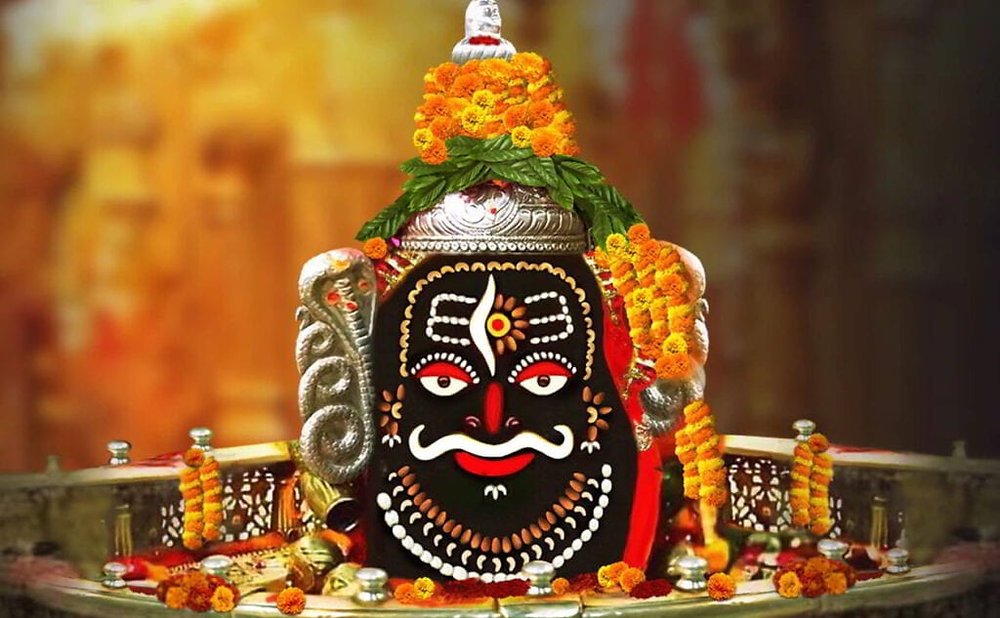
If Somnath is known for its coastal serenity, Mahakaleshwar in Ujjain is known for its charged, powerful atmosphere. This temple is unique because the Jyotirlinga here faces south, a rare orientation that gives Mahakaleshwar a character unlike any other shrine. Devotees believe that Shiva resides here as Mahakaal, the one who governs time itself.
Every day begins early at this temple. Before sunrise, crowds gather for the famous Bhasma Aarti. This ritual uses sacred ash and is performed with precision, discipline, and deep reverence. Watching the Aarti feels like witnessing a moment suspended between the mortal world and the divine. The energy is intense yet comforting, and many devotees describe it as life-changing.
Ujjain itself is one of the oldest living cities in the world. It has been home to saints, scholars, and sages for thousands of years. Walking through the lanes around the temple, you feel connected to a long line of spiritual seekers. The Kshipra River flows nearby, adding a calming presence to the otherwise lively temple surroundings.
Inside the sanctum, the linga sits lower than ground level. You must descend steps to reach it, symbolizing the humility required when approaching Mahakaal. The cool stone walls, the quiet darkness, and the echo of chants create a powerful atmosphere. It is the kind of place where you naturally pause, breathe deeply, and reflect on the bigger picture of life.
Mahakaleshwar is not just a temple visit. It is an experience that blends ritual, emotion, and introspection. Whether you are a believer or simply someone curious about India’s spiritual roots, the temple leaves a lasting impression.
3. Kashi Vishwanath Jyotirlinga, Uttar Pradesh
Varanasi, also known as Kashi, is one of the oldest cities on earth and is believed to be a place Shiva never abandons. This belief alone makes the Kashi Vishwanath temple one of the most revered pilgrimage sites for Shiva devotees. The temple is located near the sacred Ganga River, and the entire area pulses with devotion.
The first thing you notice in Varanasi is the flow of life everywhere you turn. Narrow lanes bustle with pilgrims, shopkeepers, priests, and travelers from around the world. Small shrines appear at nearly every corner. Bells ring constantly, and the air is filled with mantras and incense. Amid this vibrant energy stands the Kashi Vishwanath temple, radiating a sense of steady calm.
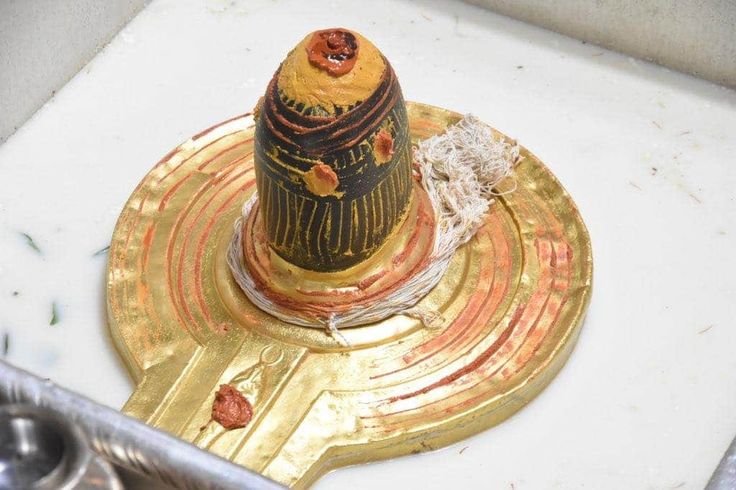
The temple’s golden domes shimmer in sunlight, and the sanctum houses the revered Jyotirlinga. Devotees often wait for hours, yet the moment they see the linga, many describe feeling a sudden lightness. The belief that the darshan here washes away the burden of past karma creates a deep emotional connection between the visitor and the deity.
A visit to Kashi is incomplete without a boat ride on the Ganges at dawn. The rising sun casts a golden glow on the ghats while priests prepare for morning rituals. Watching the city come alive from the water feels surreal. The reflections of temples and the sound of prayers create a calm that stays with you long after you leave the city.
Around the temple, you can explore sacred ghats, ancient ashrams, libraries, and cultural markers that make Varanasi a unique blend of spirituality and tradition. Visiting Kashi Vishwanath is not just a pilgrimage. It is an immersion into a world where faith and daily life merge seamlessly.
4. Trimbakeshwar Jyotirlinga, Maharashtra
Trimbakeshwar is located in Nashik, surrounded by the lush Brahmagiri hills. It is known for its peaceful nature, fresh air, and sacred landscapes. The temple marks the origin of the Godavari River, which is considered one of the holiest rivers in India. The setting makes it a perfect mix of spiritual depth and natural beauty.
The most distinctive feature of Trimbakeshwar is the form of the linga. Instead of a single rounded pillar, it has three faces. These represent the trinity of Brahma, Vishnu, and Shiva. This symbolism makes the shrine special, as it brings three divine energies into one sacred space. The black stone structure of the temple has intricate carvings and an old-world charm that invites slow exploration.
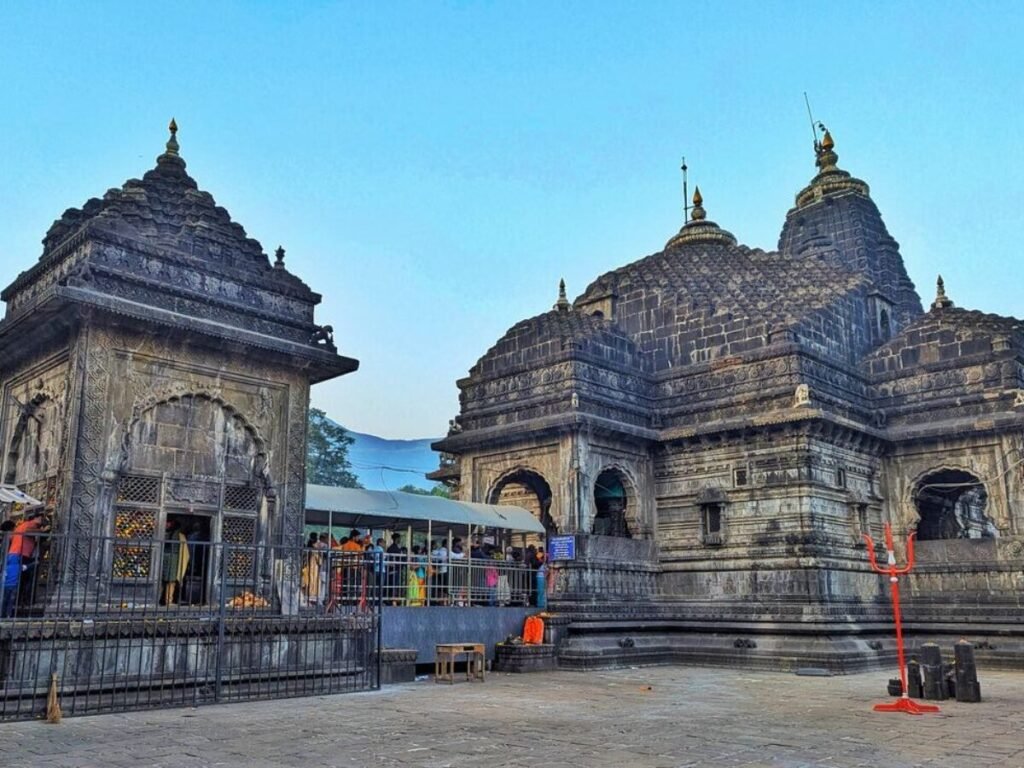
The surrounding region adds to the experience. Waterfalls, green valleys, and forest paths make Trimbakeshwar ideal for pilgrims who enjoy walking through nature. During the monsoon, the hills come alive with streams and mist, making the journey memorable and refreshing.
Many devotees come here to perform rituals related to ancestral peace and spiritual cleansing. The calm environment helps visitors reflect and reconnect with themselves. Trimbakeshwar is a place where the outside world feels quiet, making space for inner clarity.
5. Kedarnath Jyotirlinga, Uttarakhand
Kedarnath stands high in the Himalayas at an altitude of nearly 12,000 feet. It is one of the most challenging Jyotirlingas to reach, but the effort is rewarded with views that feel close to heaven. The temple is surrounded by towering snow peaks, with the Mandakini River flowing nearby. The entire landscape seems carved by the divine.
Legend says the Pandavas came seeking forgiveness from Shiva after the Kurukshetra war. Shiva, unwilling to meet them, took the form of a bull. When the Pandavas tried to hold on to him, he disappeared into the ground, and his hump surfaced at Kedarnath. The spot where the hump appeared became the location of the temple.
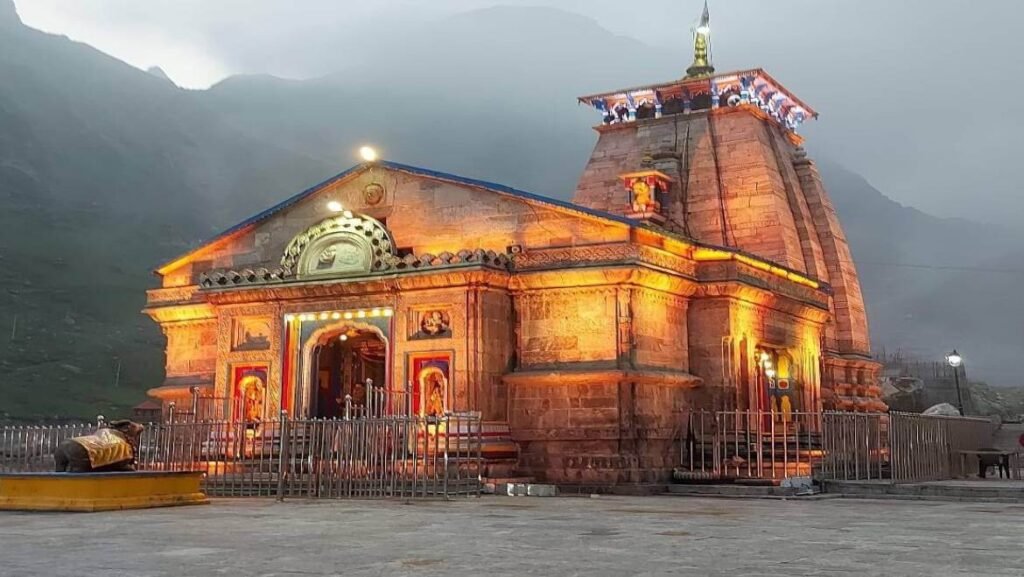
Reaching Kedarnath requires physical effort. The path includes steep climbs, cold winds, and rugged terrain. The temple is open only for a limited period each year because the region experiences extreme winter. Yet the journey itself becomes part of the spiritual experience. Every step feels like a test of determination and devotion.
When you finally reach the temple, the feeling is overwhelming. Surrounded by snowy peaks and the constant hum of mountain winds, the shrine stands strong and serene. The stone walls carry centuries of faith. Standing before the linga, most visitors feel a mix of gratitude, awe, and inner peace that words can barely capture.
Final Thoughts
Visiting these five Jyotirlingas gives you a glimpse of India’s spiritual richness. Each temple has its own rhythm, its own story, and its own way of touching the heart. Whether you seek peace, strength, clarity, or simply the joy of discovering sacred places, these shrines offer something meaningful.