




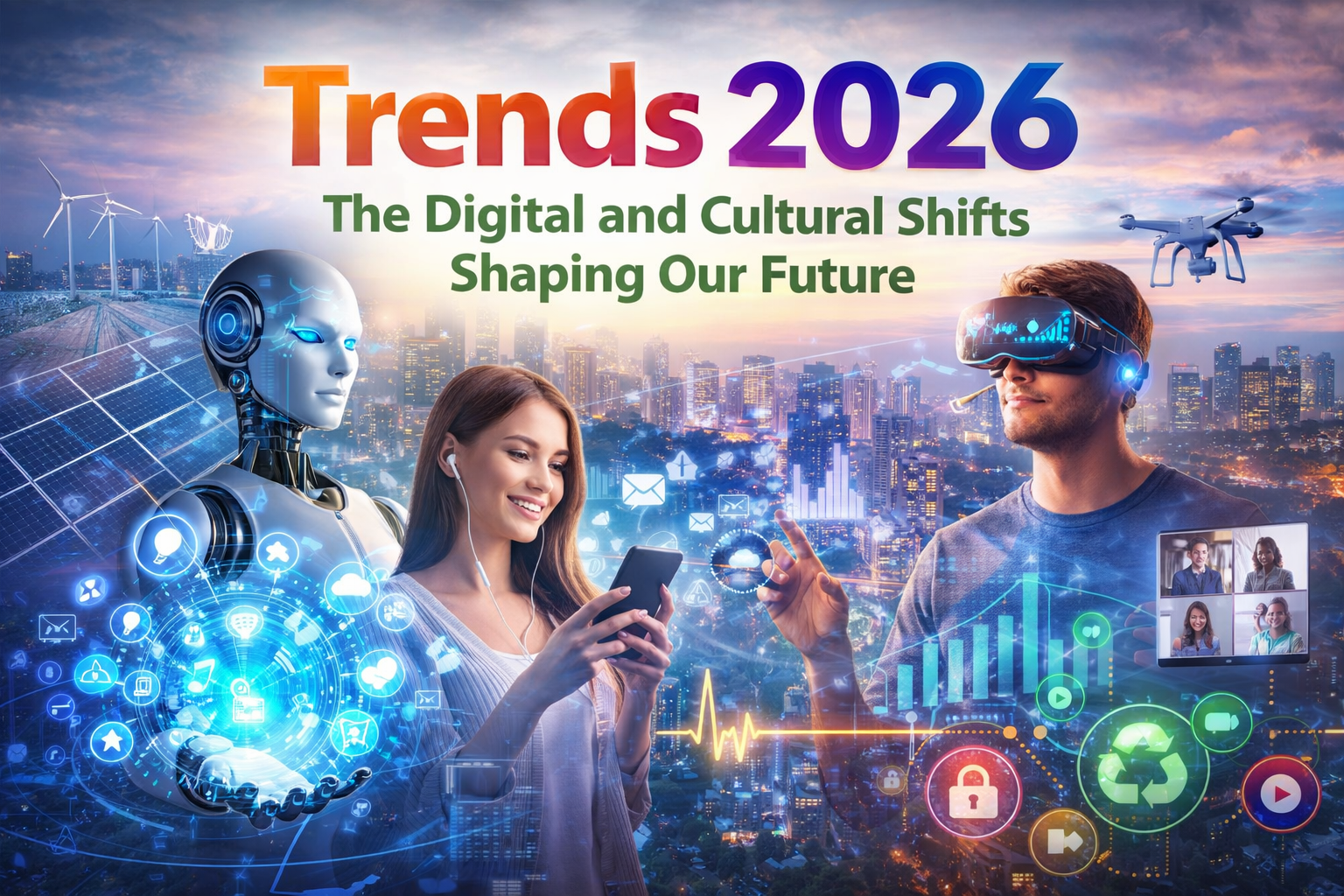
In 2026, trends are no longer just superficial fads—they are powerful forces reshaping how we live, work, and interact. From technological innovation to cultural movements, the world is witnessing an accelerated evolution in everyday life. Understanding these trends is crucial for individuals, businesses, and communities that want to remain relevant in an ever-changing environment.
This article explores the top digital, lifestyle, and societal trends of 2026, highlighting the key forces driving change and what they mean for you.
1. Artificial Intelligence Integration Everywhere
Artificial intelligence (AI) has moved from experimental technology to an integral part of daily life. AI systems now power everything from smart home devices, recommendation engines, and virtual assistants to medical diagnostics and autonomous vehicles.
AI-driven personalization is one of the most noticeable trends. Platforms like Netflix, YouTube, and Spotify use AI to analyze user behavior and recommend content tailored to individual preferences. Similarly, e-commerce platforms leverage AI to suggest products based on purchase history, browsing patterns, and even social media behavior.
AI is also transforming workplaces. Tools that automate repetitive tasks, analyze large datasets, and provide predictive insights are helping businesses reduce operational costs, improve efficiency, and make smarter decisions. With the rise of AI chatbots, companies can offer 24/7 customer support, while AI-powered analytics allow for hyper-targeted marketing campaigns.
In 2026, AI is no longer optional—it is becoming the backbone of productivity, personalization, and innovation across industries.
2. The Creator Economy 2.0
The creator economy has undergone a massive transformation. In 2026, creators are no longer confined to mainstream platforms like YouTube or Instagram—they are building independent platforms, selling digital products, and monetizing niche audiences directly.
Micro-influencers with specialized content are thriving because audiences now value authenticity over reach. AI tools have further empowered creators to automate video editing, content creation, and social media posting, allowing them to focus on creativity rather than logistics.
Subscription models, Patreon-like systems, and exclusive digital memberships are becoming the norm, enabling creators to earn a sustainable income while retaining control over their content. This decentralization challenges traditional media companies and encourages innovation in storytelling and interactive media.
3. Sustainability and Conscious Consumerism
Sustainability is no longer a trend—it’s a lifestyle. Consumers in 2026 increasingly choose eco-friendly, ethically produced, and transparent products. From fashion and food to tech gadgets and energy solutions, sustainability is a key factor influencing purchasing decisions.
Brands that embrace transparency, reduce their carbon footprint, and support ethical sourcing are gaining a competitive advantage. For example, sustainable packaging, circular supply chains, and plant-based alternatives are becoming standard rather than optional.
Moreover, governments and organizations are implementing stricter environmental policies, and consumers are increasingly supporting companies with strong ESG (Environmental, Social, and Governance) practices. Conscious consumerism is shaping both the marketplace and cultural values.
4. Micro-Communities and Niche Social Platforms
Social networking is moving away from massive, generalized platforms toward micro-communities and niche-focused apps. People now prefer private groups, interest-based forums, and localized platforms where engagement is meaningful and curated.
Fitness enthusiasts, investors, remote workers, and hobbyists are forming tight-knit digital communities that facilitate knowledge sharing, networking, and collaboration. These platforms often integrate gamification, rewards, and AI moderation, creating immersive and safe online spaces.
Micro-communities also benefit brands by offering hyper-targeted marketing opportunities. Companies can engage directly with passionate audiences rather than casting a wide, less-effective net.
5. Automation and No-Code Solutions
Automation has expanded beyond manufacturing into everyday business and personal workflows. No-code and low-code tools allow anyone to build websites, apps, and automated systems without deep technical knowledge.
Startups and small businesses are thriving because they can launch products faster, iterate based on real-time data, and automate customer interactions. Meanwhile, individuals are using automation for budget tracking, social media management, and personal productivity, creating a more efficient daily life.
This democratization of technology is reducing barriers to entry in entrepreneurship and empowering people to innovate independently.
6. Augmented Reality (AR) and Virtual Experiences
AR and VR technologies are no longer limited to gaming—they are redefining education, retail, entertainment, and remote collaboration. In 2026, AR apps help customers visualize products in their homes, students explore immersive lessons, and remote teams collaborate in 3D virtual offices.
Retailers use AR to offer virtual try-ons for clothing, furniture, and cosmetics, improving customer satisfaction and reducing returns. Educational institutions implement AR simulations to teach complex subjects like anatomy, engineering, and history interactively.
Entertainment platforms combine AR with AI to create interactive storytelling and personalized gaming experiences, blurring the lines between reality and digital content.
7. Health and Wellness Tech
Health and wellness are increasingly integrated with wearable technology, AI diagnostics, and digital fitness platforms. Smartwatches now monitor heart rate, sleep patterns, stress levels, and even blood oxygen, while apps offer AI-driven fitness coaching and diet optimization.
Mental health is a growing focus. Meditation apps, digital therapy, and stress management tools leverage AI and biofeedback to offer personalized support. Wellness is no longer limited to gyms or spas—it is becoming continuous, data-driven, and tech-enabled.
8. Hybrid Work and Digital Nomadism
The work-from-home trend has evolved into hybrid work models and digital nomadism. Companies are optimizing office usage, providing flexible schedules, and investing in remote collaboration tools.
Cities are adapting to attract digital nomads, offering co-living spaces, co-working hubs, and local incentives. This trend is reshaping urban development, real estate, and even travel, creating a more globally mobile workforce.
9. Data Privacy and Ethical Tech
With technological advancement comes responsibility. Consumers are becoming more aware of data privacy, AI ethics, and digital rights. Regulations like GDPR are evolving, and users demand transparent, secure, and ethical tech practices.
Companies that prioritize data security, consent management, and ethical AI gain trust and loyalty. Tech ethics is no longer optional; it is a key differentiator in a crowded marketplace.
10. Entertainment and Media Convergence
Media consumption in 2026 is fragmented but highly personalized. Streaming, social media, gaming, and virtual experiences converge to create omnichannel entertainment ecosystems.
Interactive storytelling, short-form video, and AI-generated content are dominating attention spans. Fans now expect engagement, personalization, and interactivity rather than passive consumption.
This convergence also impacts advertising—brands must be creative, authentic, and tech-savvy to capture attention in multi-platform environments.
Conclusion
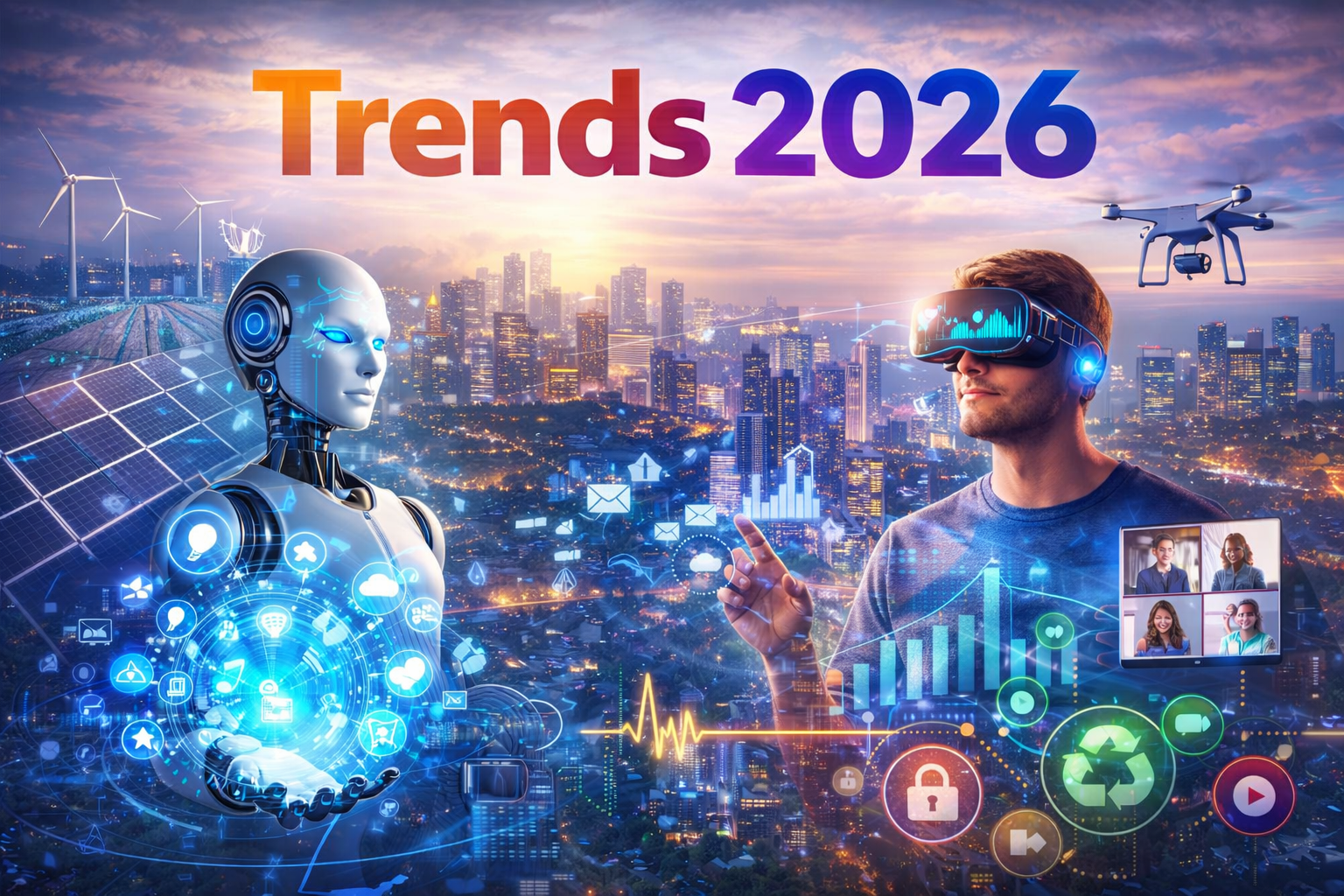
The trends of 2026 are interconnected, driven by AI, sustainability, personalization, and community. From AI-powered workplaces to niche social platforms, conscious consumerism, and hybrid lifestyles, these shifts define the modern experience.
Individuals, entrepreneurs, and brands must adapt quickly, embrace technology responsibly, and prioritize authenticity and well-being to thrive in this rapidly evolving world.
In essence, 2026 is not just about staying updated—it’s about anticipating change, leveraging trends, and shaping the future.
#Trends2026 #DigitalTrends #CulturalShifts #FutureTech #AI2026 #Innovation #Sustainability #MicroCommunities #DigitalTransformation #FutureLifestyle